Lesley Smith
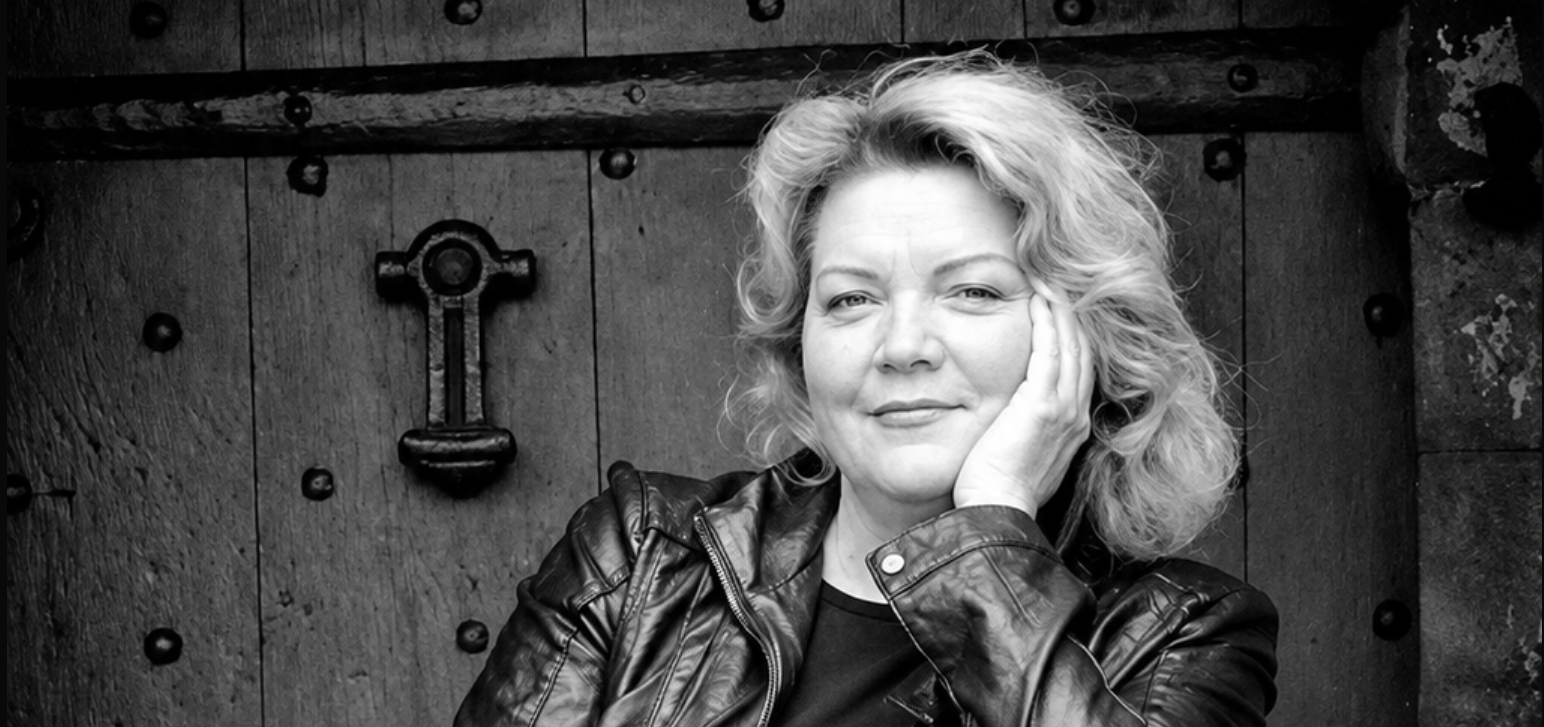
Lesley Smith is one of Britain’s best-known historical interpreters, renowned for bringing the past vividly to life through her engaging lectures and acclaimed costumed performances. She served as Curator of Tutbury Castle in Staffordshire from 2000 to 2024 and has spent decades sharing her passion for history with audiences across the UK and internationally.
A respected medical historian, Lesley holds an MPhil in Tudor Medicine, is a Fellow of the Society of Antiquaries of Scotland and a Member of the Society of Medical Writers. In recognition of her outstanding contribution to public history, she was awarded an Honorary Master’s Degree by the University of Derby in 2010 for Services to History in the Community. She is the author of 38 academic publications and has written extensively for the wider public, including regular columns in Staffordshire Life and City Life magazine.
Lesley has appeared in more than 120 television programmes, many of which have been broadcast internationally, introducing audiences around the world to the fascinating stories of Britain’s past. Today, she is particularly celebrated for her lively, informative and often humorous costumed portrayals of historical characters, combining meticulous research with captivating storytelling to create unforgettable performances.
Please note that Lesley’s standard performances are intended for audiences aged 16 and over, unless alternative arrangements have been agreed in advance. Many of her historical characters are also available in specially adapted versions for schools.
Anne Boleyn
For centuries, Anne Boleyn has been portrayed as a scheming and ambitious woman whose influence helped bring about the turmoil of the English Reformation. Yet behind the legend lies a far more complex figure: a highly educated, deeply religious woman who cared passionately about her beliefs, her reputation and her place in history.
There is compelling evidence that Anne and Henry VIII shared a genuine affection, making her eventual downfall all the more tragic. When she failed to provide the male heir Henry desired, the king who had once risked so much to marry her turned against her, leading to one of the most infamous episodes in Tudor history.
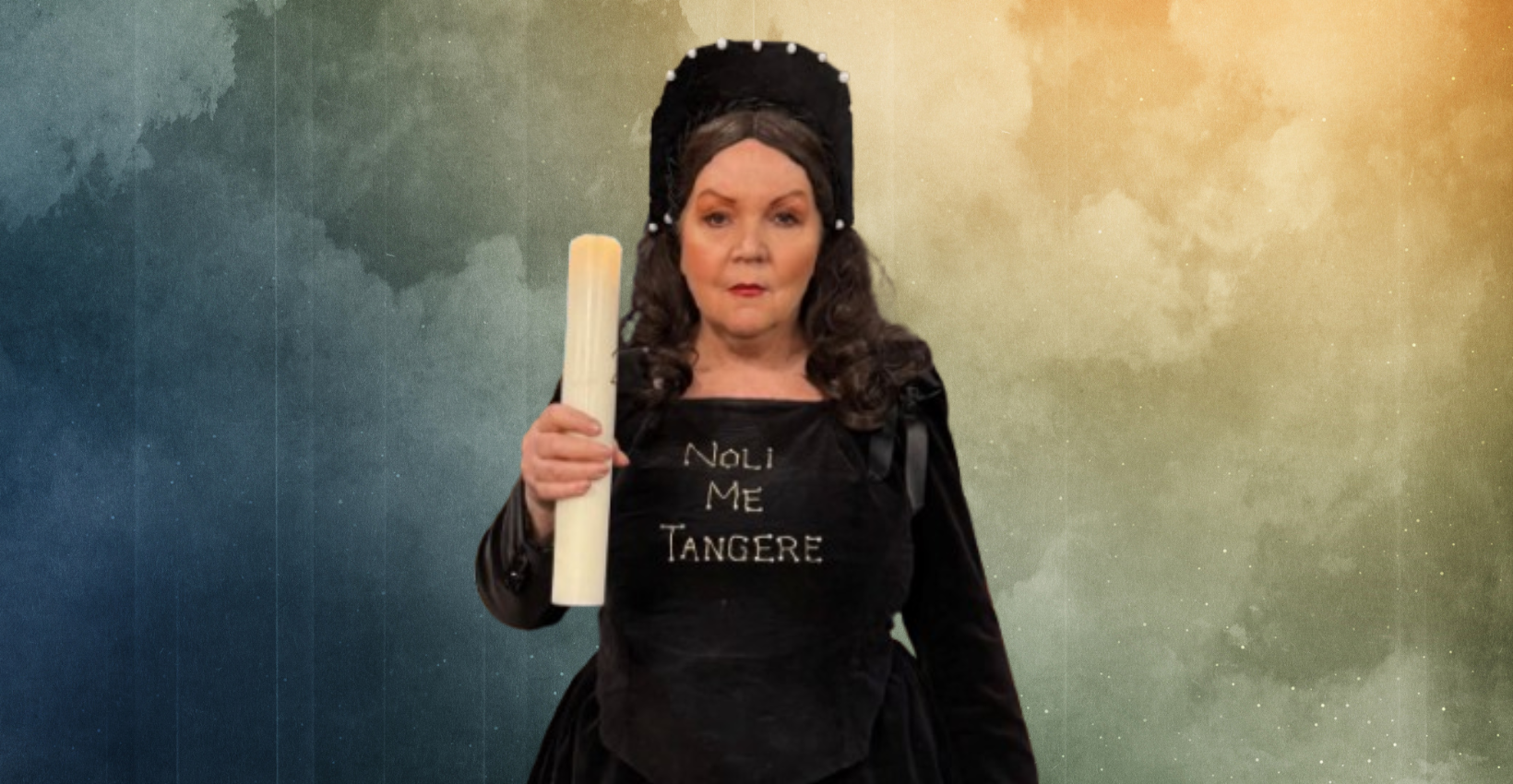
In this intimate and powerful costumed portrayal, Anne appears by candlelight in her execution gown during the final 45 minutes of her life in the Tower of London. As she prepares to face her fate, she reflects on her love, her faith, her fears and the uncertain legacy she will leave behind.
Witness the final moments of a woman whose story has fascinated the world for nearly five centuries, as Anne Boleyn prepares to leave the king she married and meet the King of Kings.
Anne Hathaway
Anne Hathaway is one of the most intriguing figures connected to William Shakespeare, yet she remains one of the least understood. In late 1582, at the age of just 18, Shakespeare married Anne, a woman from the nearby village of Shottery who was thought to be 26 years old and already three months pregnant with their first child.
Following the customs of the time, Anne would have moved into the Shakespeare family home on Henley Street, where she began her married life alongside William and his parents. Together, the couple had three children: Susanna, and twins Judith and Hamnet.
Beyond these facts, much about Anne and William’s relationship remains unknown. History has left us only fragments, allowing us to glimpse a woman who lived through remarkable changes while married to the man who would become the world’s most famous playwright. They remained married until Shakespeare’s death in 1616, when his unusual bequest of the “second best bed” in his will became one of the most debated details of their relationship.
Anne outlived her famous husband by seven years, dying in 1623. Today, they are both buried at Holy Trinity Church in Stratford-upon-Avon, close to one another but not within the same tomb.
This thoughtful and engaging portrayal explores the life of Anne Hathaway beyond the myths, bringing to life the woman behind one of history’s greatest literary figures.

Boudicca
Few figures in British history have captured the imagination quite like Boudicca. Although much of her story is pieced together from limited historical evidence, the tale of her rebellion remains one of the most dramatic episodes of Roman Britain.
In the early years of Roman occupation, Britannia was a distant frontier of the Empire, divided into Celtic kingdoms. Among them were the Iceni of East Anglia, whose formidable queen rose in defiance when Roman oppression became unbearable. Following the brutal treatment of Boudicca and the assault on her daughters, she united neighbouring tribes in a fierce campaign against Rome, determined to take revenge and reclaim her people’s freedom.
Leading a vast army across eastern England, Boudicca’s rebellion destroyed Roman settlements and came close to driving the invaders from Britain altogether. Though ultimately defeated, her courage and determination sent shockwaves throughout the Roman Empire and secured her place as one of Britain’s greatest national heroines.
This captivating costumed performance brings Boudicca’s extraordinary story to life, exploring the woman behind the legend and one of the most iconic acts of resistance in British history.

Florence Nightingale
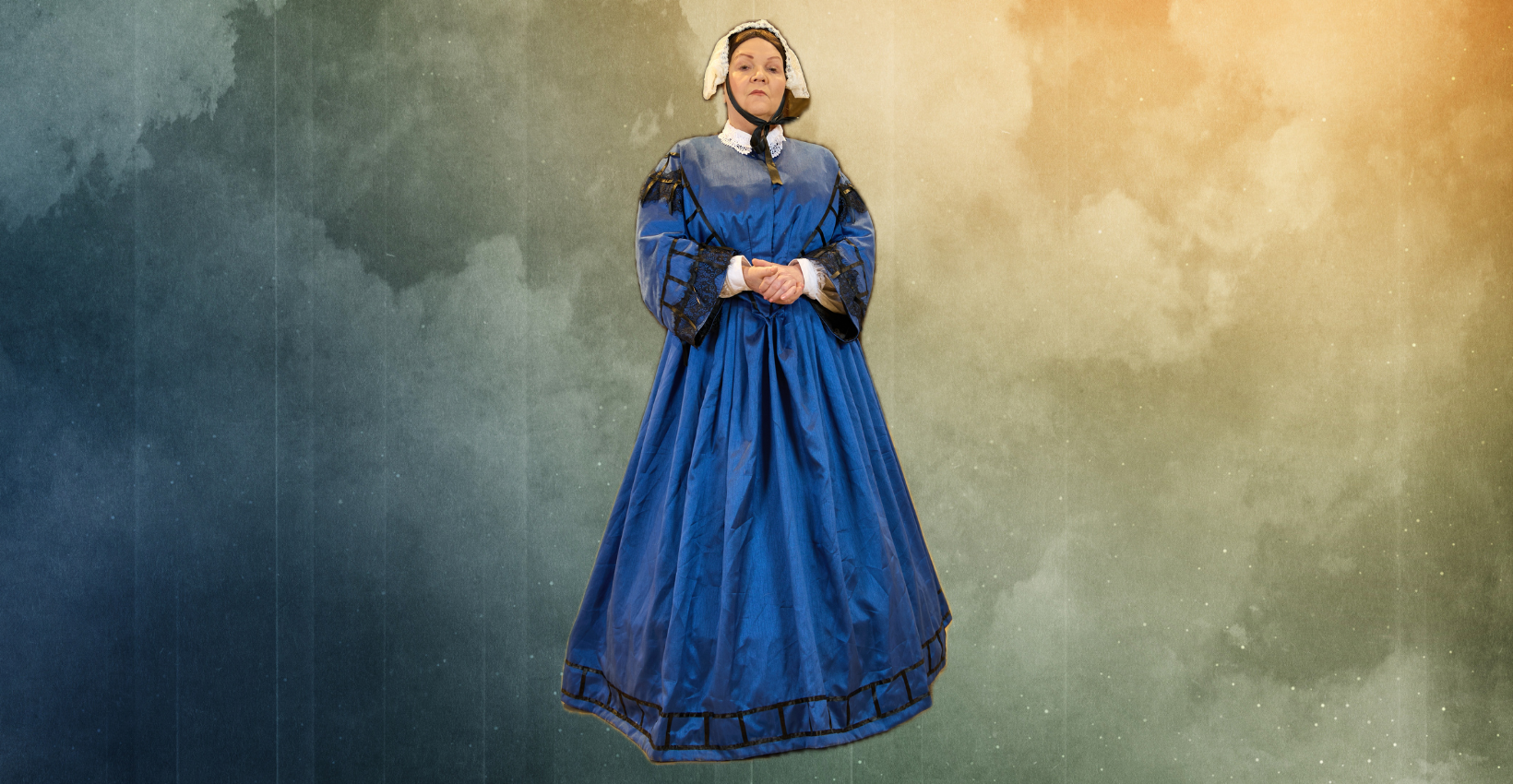
Florence Nightingale was a woman who defied the expectations of her time. Born in 1820 into a wealthy and privileged family, she received an exceptional education, spoke several languages and travelled widely. Yet she rejected the comfortable social life expected of a woman of her position, believing she had a higher calling to care for the sick and transform the world of nursing.
Far more than a nurse, Florence was a pioneering reformer, statistician and campaigner. She challenged politicians, the army and the medical establishment in her determination to improve healthcare. Through meticulous research, data collection and analysis, she introduced new standards of hygiene and patient care that helped lay the foundations of modern nursing. She also worked tirelessly to transform nursing from a poorly regarded occupation into a respected profession.
Florence became a national figure during the Crimean War in 1854, when she travelled to Scutari with a disciplined team of 38 nurses to care for wounded and dying soldiers. Her compassion, organisation and dedication became legendary, and her nightly visits to the hospital wards with a lamp in hand earned her the enduring name of the “Lady with the Lamp”.
Independent, determined and ahead of her time, Florence Nightingale became one of the most influential women of the Victorian age. This fascinating portrayal reveals the woman behind the symbol, exploring the courage, conviction and extraordinary vision that changed the future of healthcare forever.
Katherine of Aragon
Born into one of Europe’s most powerful royal families, Katherine of Aragon was destined for greatness. Arriving in England as a young princess to marry Arthur, Prince of Wales, her future seemed secure - until his sudden death left her a widow in a foreign land.
Fate took another dramatic turn when the young Henry VIII ascended the throne. Their marriage began as one of the great royal love stories of the Tudor age, but years of heartbreak followed as Katherine endured the loss of several children. Although their daughter would one day reign as Queen Mary I, Henry’s desperate desire for a male heir would ultimately change the course of English history. After more than twenty years of marriage, he set Katherine aside in order to marry Anne Boleyn, triggering England’s break with Rome and the birth of the English Reformation.
This engaging historical talk explores the life of a remarkable queen whose courage, dignity and unwavering faith carried her through triumph, tragedy and betrayal. Discover the woman behind the crown and the lasting legacy of the first of Henry VIII’s six wives.
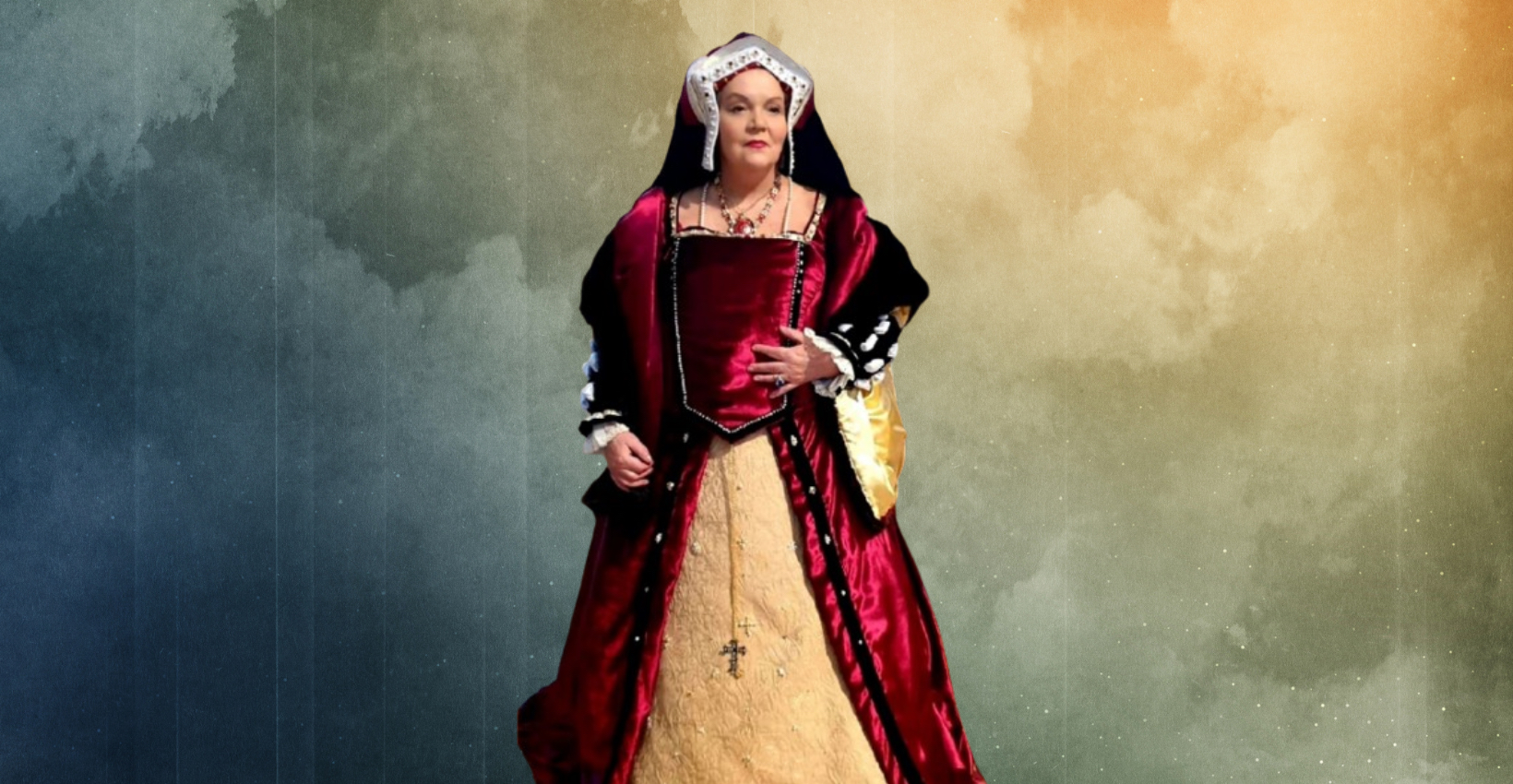
Katherine Swynford
In the heart of medieval England, one love affair caused scandal across the kingdom. Katherine Swynford and John of Gaunt were an unlikely pair: he was Duke of Lancaster, the powerful third son of King Edward III and the wealthiest man in England; she was the daughter of a Flemish knight who became his companion, confidante and, ultimately, the woman he loved.
Their relationship shocked the royal court and society at large, yet this was far more than a passing affair. Spanning decades of passion, separation, tragedy and devotion, theirs became one of the most remarkable love stories of the medieval world.
Step back into the age of knights, castles and courtly intrigue, as Katherine herself recounts her extraordinary journey - from her humble beginnings to her place at the centre of English royal history. A captivating costumed performance revealing the woman behind the scandal and the enduring love that changed the course of a dynasty.

Margaret Thatcher
Margaret Thatcher remains one of the most influential and controversial political figures of the 20th century. Born above her father’s grocery shop in Grantham, she rose from modest beginnings to study chemistry at Oxford University, later qualifying as a barrister before entering the world of politics.
In 1979, Thatcher achieved what had once seemed impossible, becoming Britain’s first female Prime Minister. Her decisive leadership, strong convictions and transformative approach to government reshaped the political landscape of Britain and earned her the nickname “The Iron Lady”. To her supporters she was a determined reformer; to her critics she was a deeply divisive figure.
In this compelling portrayal, Lesley Smith brings Margaret Thatcher’s extraordinary journey to life, from her early ambitions to her historic arrival at Number 10 Downing Street. Drawing on Thatcher’s own words from her autobiography The Path to Power, audiences hear the story of her rise in her own voice.
A fascinating insight into the woman behind the public image, this performance explores the ambition, determination and political conviction of one of the most remarkable figures in modern British history.

Mary Queen of Scots
Few stories from Tudor England are as filled with drama, tragedy and intrigue as that of Mary Queen of Scots. Held captive at Tutbury Castle on four separate occasions, it was here that Mary spent some of the most difficult years of her life as a prisoner of the English Crown.
In 1585, Mary left Tutbury for the final time, before being moved to Chartley and later to Fotheringhay Castle, where she was executed in 1587 after a long and controversial imprisonment.
In this captivating costumed portrayal, audiences meet Mary during her captivity at Tutbury Castle. Away from the politics and accusations that surrounded her, discover the woman behind the legend: a queen who spent her days reading, writing letters and creating intricate embroidery while facing an uncertain fate.
Hear Mary reflect on her extraordinary life, including her three marriages, her royal ambitions and the challenges of being a woman and monarch in the turbulent world of Tudor England.

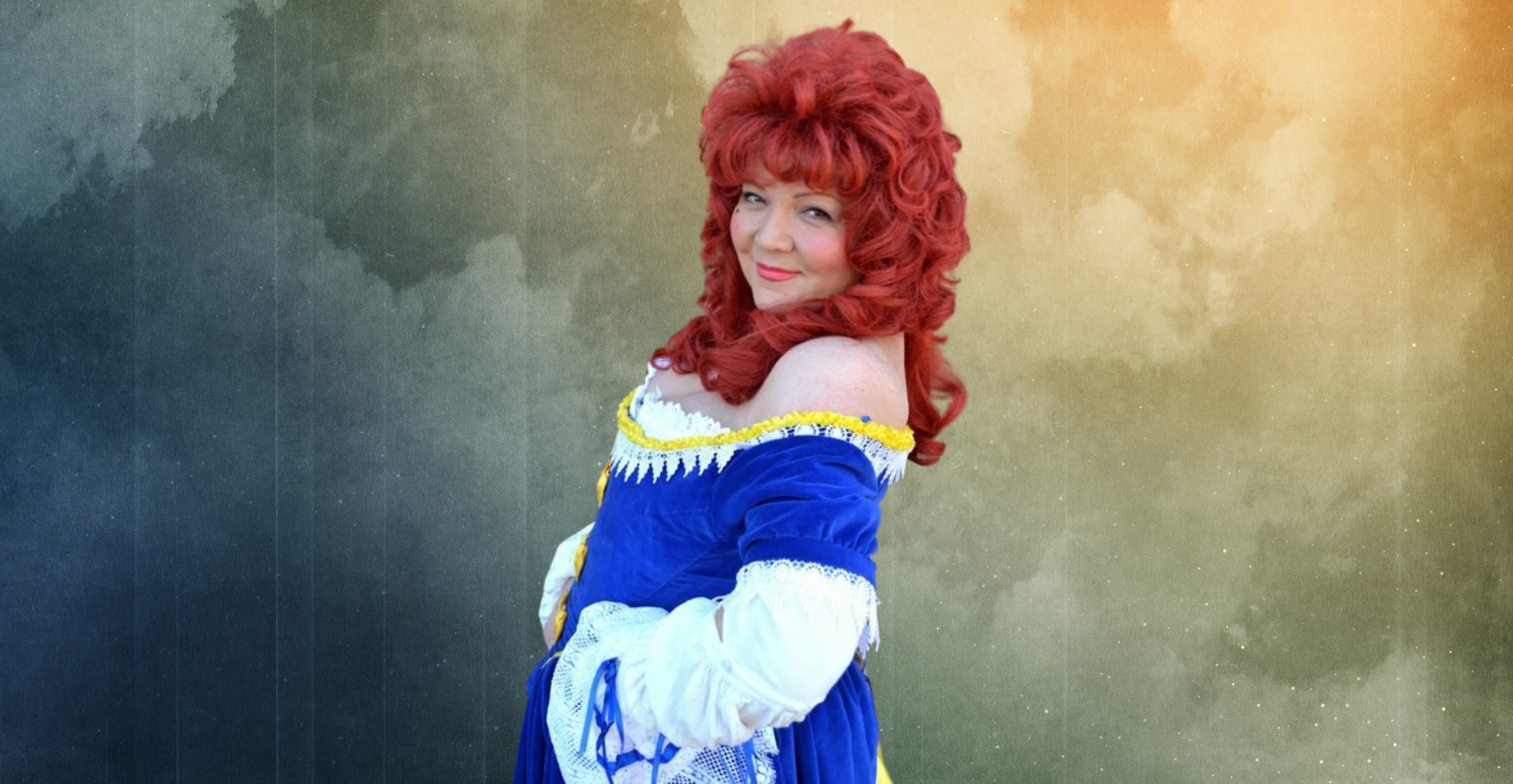
Nell Gwynne
Nell Gwynn is often remembered simply as the mistress of Charles II, or as the famous orange seller from the streets of Restoration London. Yet behind the legend was a remarkable woman whose courage, wit and determination carried her from poverty to the very centre of royal life.
Born into a world transformed by civil war and hardship, Nell defied the odds to become one of the greatest comic actresses of her age. Her talent and charm won the admiration of London theatre audiences before capturing the heart of King Charles II himself. Her extraordinary rise from humble beginnings to royal favour may seem like a real-life Cinderella story, but beneath the glamour was a woman who experienced both great joy and profound tragedy.
In this lively and engaging costumed performance, meet the “pretty, witty little Nell” as she tells her own story. Full of humour, warmth and emotion, this is a chance to laugh, be entertained and discover the remarkable woman behind one of the most enduring legends of the Restoration.
Peggy Knight
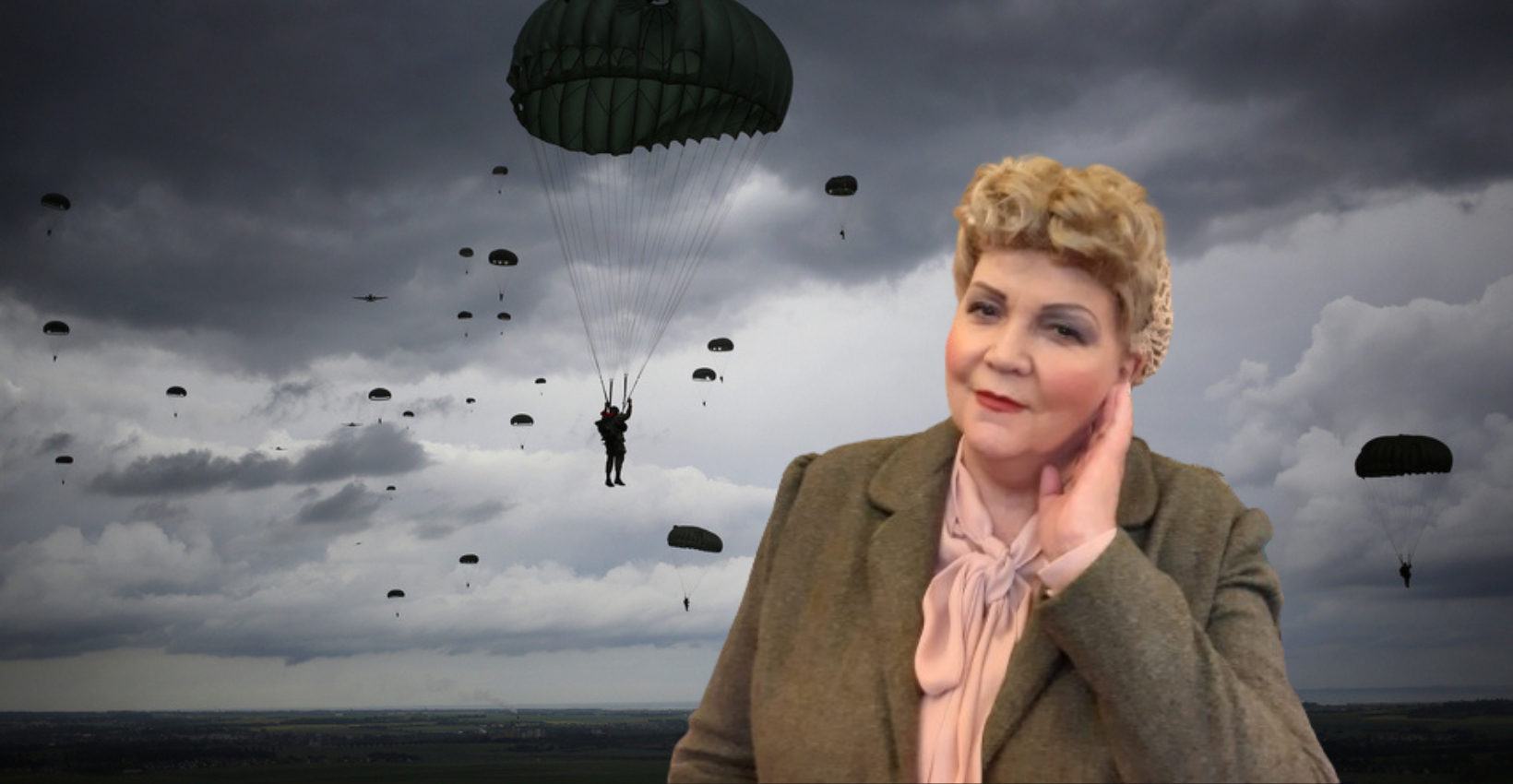
Unlike many of history’s celebrated heroes, Peggy Knight was never one to seek the spotlight. Her extraordinary bravery was hidden for decades, as she carried out dangerous work behind enemy lines as a member of Churchill’s Special Operations Executive during the Second World War.
In 1944, Peggy was a 24-year-old shorthand typist living in north London. Then, in a dramatic turn of events, she was recruited for a mission that would take her far from her ordinary life. After only two weeks of intensive training, she was parachuted into occupied France, where she joined a Resistance network facing danger, uncertainty and internal divisions.
What Peggy achieved during those tense months was remarkable. Working alongside the French Resistance, she showed extraordinary courage, resilience and determination, earning recognition for her bravery from three different nations. After the war, she returned quietly to civilian life, marriage and the challenges of rebuilding a normal existence.
In this moving costumed portrayal, Peggy looks back on her experiences as a secret agent, revealing the fear, danger and courage behind one of the lesser-known stories of wartime heroism. A powerful reminder that some of the greatest acts of bravery are performed not by famous figures, but by ordinary people placed in extraordinary circumstances.
Queen Elizabeth I
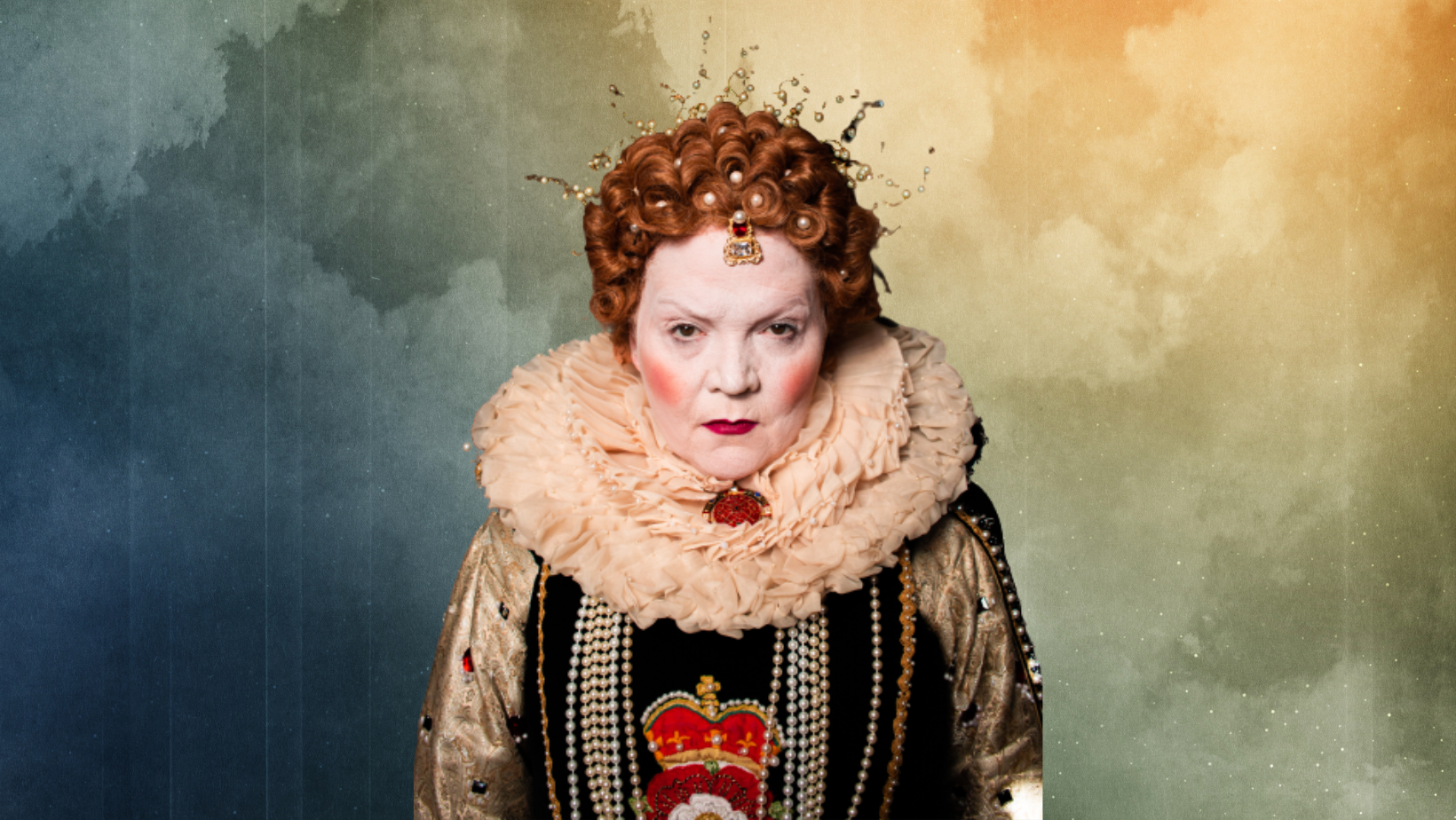
Few monarchs have shaped the course of English and European history as profoundly as Elizabeth I. When she came to the throne in 1558, many Catholic observers predicted that the young Protestant queen would not survive for long. Instead, Elizabeth went on to rule England for almost forty-five years, guiding the nation through a remarkable period of stability, exploration and cultural achievement.
Her success lay not only in her political intelligence and exceptional leadership, but also in her deep understanding of her people and her ability to navigate the religious and political divisions of her age. Through diplomacy, determination and careful strategy, Elizabeth confounded her critics and became one of England’s most iconic rulers.
In this glittering costumed presentation, audiences have the chance to meet Her Majesty at the height of her power. Step back into the world of Drake, Raleigh and Shakespeare, and experience the ambition, intrigue and splendour of Elizabethan England as the nation entered its Renaissance.
Sex and the Tudors
This lecture given by Tutbury Castle curator Lesley Smith is a rip-roaring tumble through the sexual exploits of the Tudors. Not just Henry VIII had a good time, so did a lot of other people according to records.
Contraception, conception, prostitution and gay sex feature in this engaging and highly entertaining lecture.
Not suitable for those who shock easily or have a nervous disposition!